

 Music Artists / Culture / Indie Brands
New Music 15 Nov, 2026
Brittany Marie Wants to Take the Guesswork Out of Desire
On “Love Language,” the R&B and soul singer turns clear communication into flirtation, bringing a band frontwoman’s attention to connection into her own songwriting.

Table of contents [Show]
WAVY PICK
Brittany Marie has a straightforward proposition for a subject that rarely stays straightforward: tell someone what you want. On “Love Language,” the R&B and soul artist treats that conversation as part of the flirtation, rather than an interruption to it. A band frontwoman since 2018, she brings an audience-conscious perspective to her writing, thinking about how a phrase lands and what a voice can convey beyond the words. The interesting tension is between her appetite for emotional complexity and this song’s invitation to stop making connection so complicated.
BEHIND THE NAME
Marie’s musical foundation began at the School for Creative and Performing Arts, where her appreciation for expression developed alongside an understanding of discipline. That pairing remains central to how she describes her work: feeling matters, but so does the craft that makes it legible to someone else. Her subsequent years fronting a band have given that idea a practical setting. Reading a room, responding to musicians and deciding how to interpret a song in the moment are all parts of the job. For Marie, the stage is a place where a song can change through contact with an audience.
The moments she remembers most are not necessarily the ones that would make the best career milestones. They are people singing along, dancing or becoming still enough to take something in. She values the spontaneity of performance and the exchange that happens when a crowd responds, rather than simply watches. Yet performing has never displaced her desire to write and record her own material. “While live performance has become a significant part of my journey, my heart has always been in creating music of my own.” That distinction matters: interpreting a song and choosing the story yourself offer different kinds of freedom.
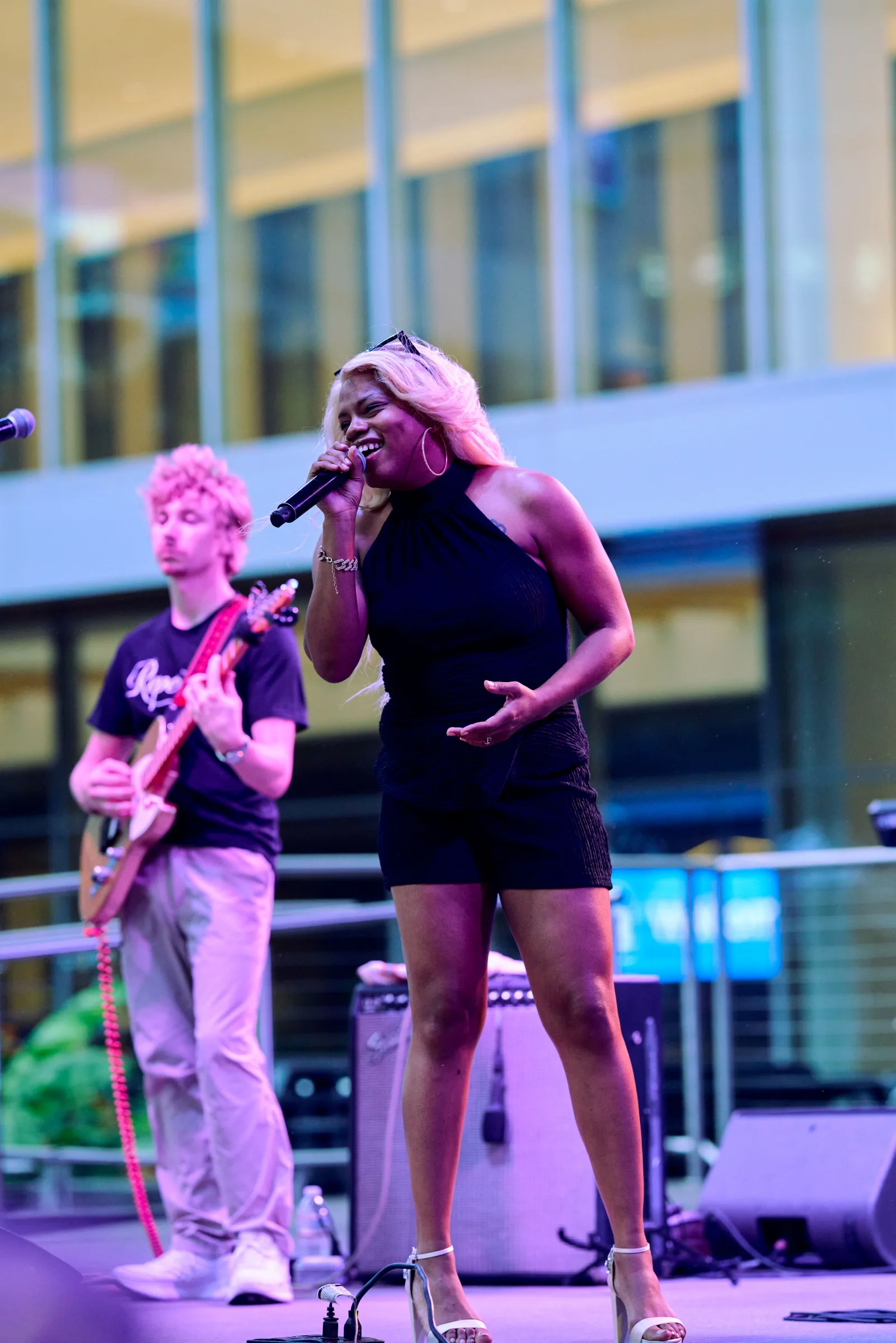
Her own stories keep returning to love and time. She is interested in how feelings evolve, how experience changes the way people approach intimacy, and why a connection can linger after the moment itself has passed. Nostalgia sits beside desire in that outlook, with neither treated as an uncomplicated pleasure. She describes her intended sound as contemporary R&B and soul, drawing on the warmth of classic soul, jazz sophistication and funk’s rhythmic pull. Those are creative touchstones, not a checklist. The balance she wants is between strength and softness, with lived experience shaping how she uses her voice.
IF YOU'RE INTO
Beyoncé · Aaliyah · Tamia
Beyoncé: Marie cites her vocal power and performance artistry as models for creating a complete musical experience.
Aaliyah: Her smooth sensuality informs Marie’s approach to tone, melody and the space between intimacy and desire.
Tamia: Marie points to her emotional depth and vocal precision as influences on storytelling and delivery.
PRESS PLAY
“Love Language” begins with the recognition that people do not all experience or express affection in the same way. Marie takes that premise somewhere playful, building the song’s concept around chemistry, curiosity and the confidence to articulate a need. The question “What’s your love language?” becomes an opening rather than a test. Her account of the track puts the emphasis on mutual exchange: knowing what you want, saying it and giving another person the chance to respond. It is a sensual premise without requiring anyone to become an expert at decoding mixed signals.
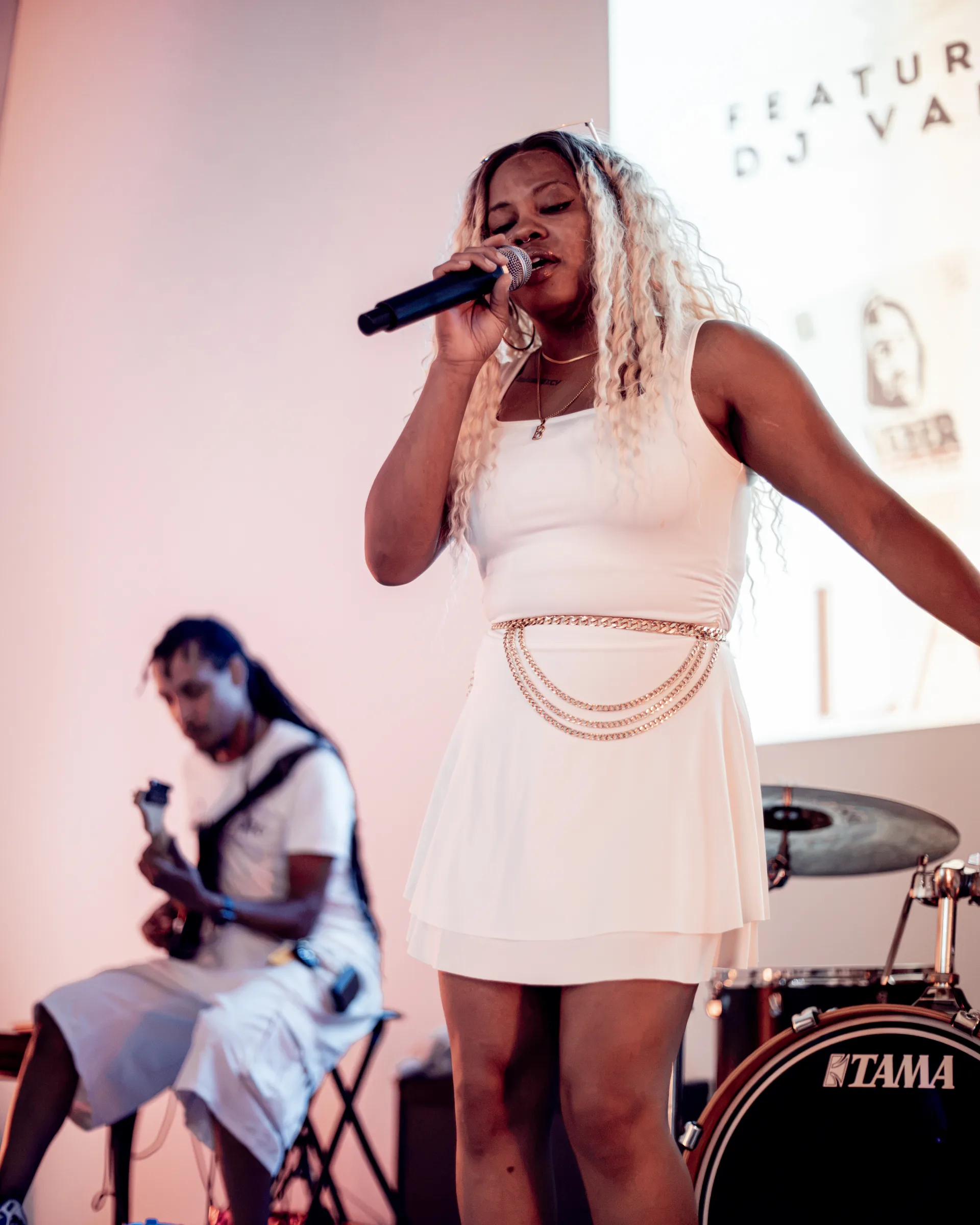
That directness fits a writing process that usually starts with a feeling or story, rather than a fixed musical formula. Marie first considers perspective: whose experience is being expressed, which images belong to it and how the listener might enter the scene. Melody and language follow in either order. Sometimes a tune suggests the words; sometimes a phrase gives the song its starting point. She pays particular attention to the natural rhythm of a line and how it sits within the music. For a song about communication, that concern with delivery is especially relevant. The wording is only part of what gets heard.
In her broader studio approach, Marie is drawn to vocal layers, harmonies and arrangements that serve the emotional premise. She wants the voice to carry feeling that a lyric alone cannot supply, whether the direction is sensual, nostalgic or rhythmically driven. For “Love Language,” her stated aim is equally clear: keep the subject fun and relatable without losing its sense of agency. “There’s something empowering about knowing what you want, being comfortable enough to express it, and allowing someone else to meet you there.” Romance, in this telling, does not depend on leaving everything unsaid. Openness can be part of the attraction.
WHAT COMES NEXT
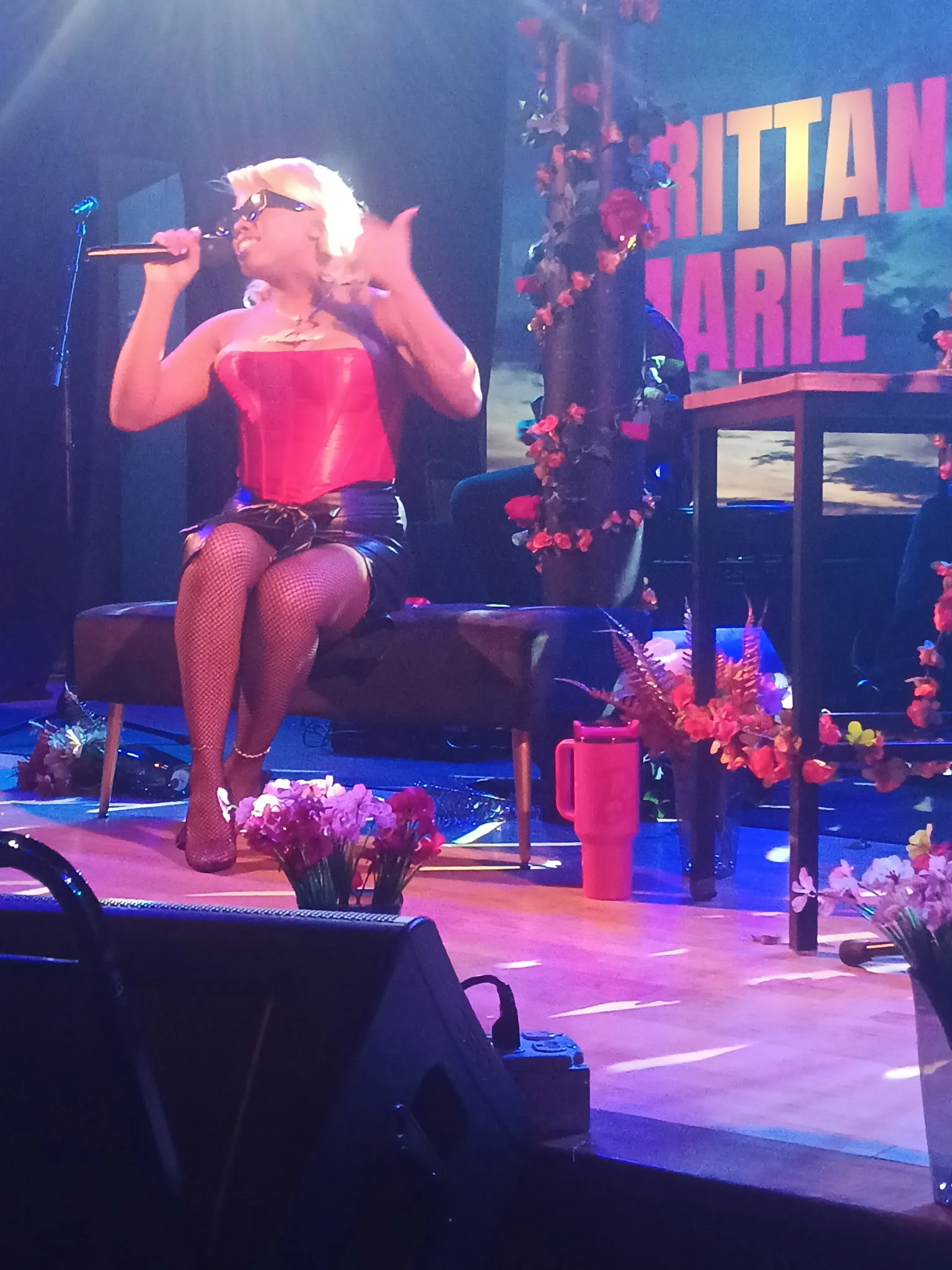
Marie is working toward a career in which her own records and her live performances carry equal weight. Her ambitions include performing at the Essence Festival in New Orleans, a dream she connects to its celebration of Black music, culture and artistry. She also hopes to headline an international tour. These are goals, not announced bookings, and they extend the part of her work she already knows well: bringing people into a shared musical experience. The scale she imagines is bigger, but the response she watches for is still personal. Someone sings back. Someone dances. Someone stops and listens.


